
Buying Your First Home in Southwest Colorado: 10 Strategies for Rural Homebuyers
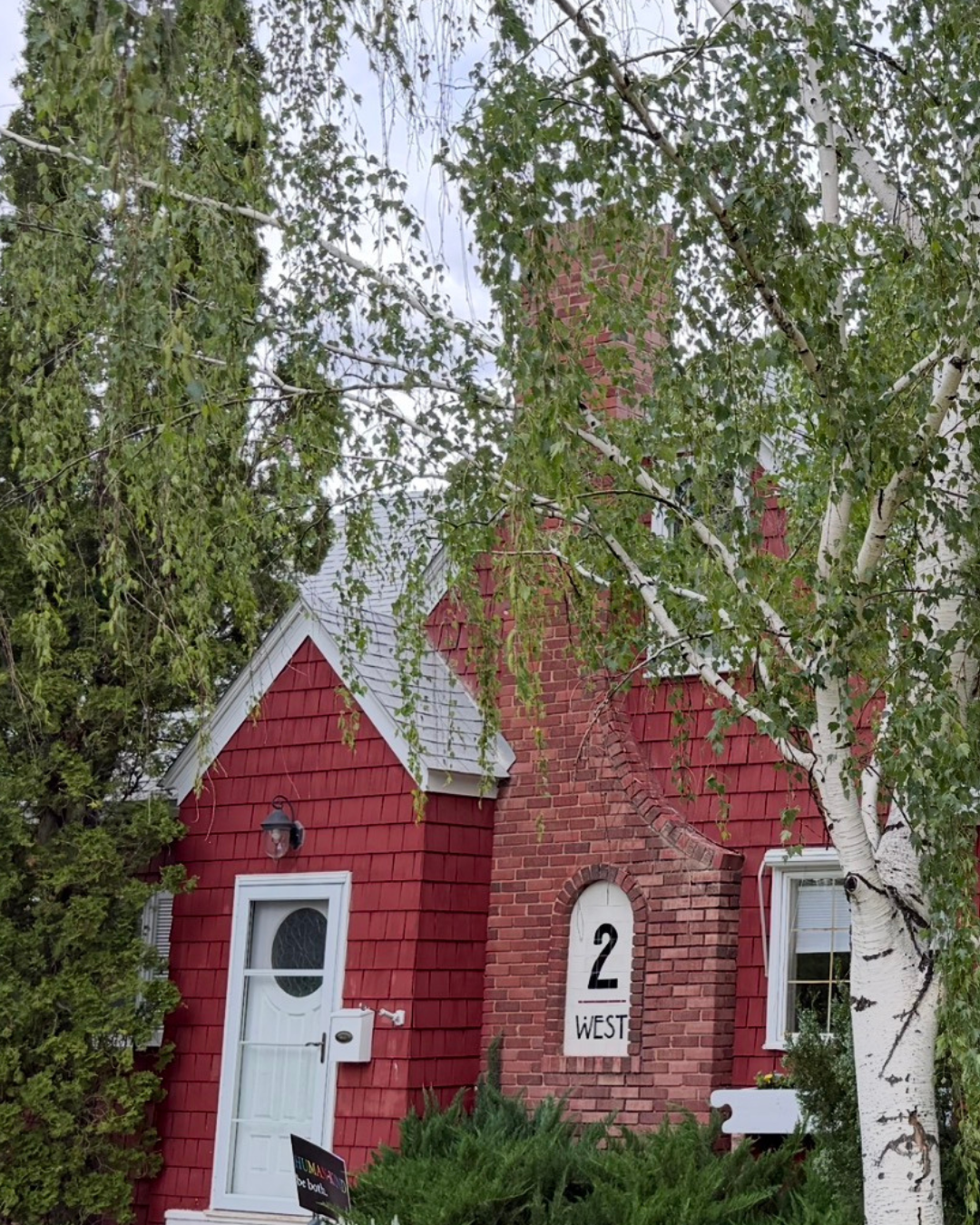
In-town Cortez Home recently sold.
Buying your first home can be really nerve-racking. It often feels like you are surprised at every turn, but knowing some strategies ahead of time can help you navigate some of that uncertainty. Buying a home in Southwest Colorado also comes with its own unique circumstances, particularly when you are deciding between an in-town home and a rural property. While there are no guarantees, knowing what to look for, what to ask and who to ask can make the process a lot easier. Here are ten strategies to help you as you purchase your first home in Southwest Colorado.
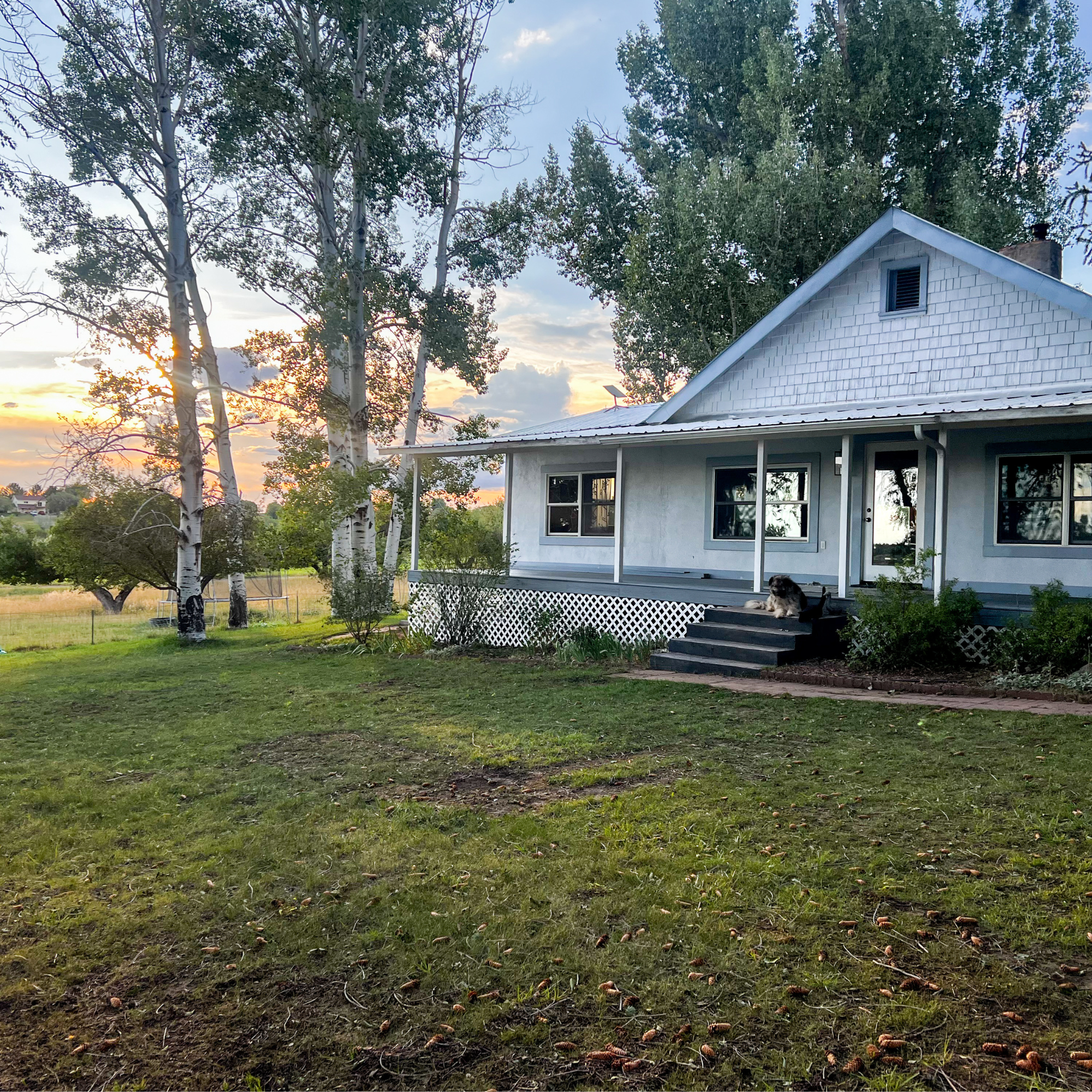
Rural Colorado Lifestyle
Know What You Can Comfortably Afford, Not Just What You Can Borrow
Before you start looking at homes, find both a Realtor and a mortgage lender you trust. You can start with either one, but having both in place early means you can get preapproved and have a clear idea of what you can afford. Your Realtor can suggest local lenders, or you can research lenders in the area yourself. Ideally, you’ll have your preapproval ready before you begin seriously looking at houses. And remember, just because you’re approved to borrow a certain amount doesn’t mean you need to spend that much. Staying below your maximum can give you more breathing room in your monthly budget, especially when the unexpected costs of homeownership come along.
Explore First-Time Buyer AND Rural Financing Programs
As a first-time homebuyer, you have options. Many properties in and around Cortez, Dolores and Mancos may be eligible for USDA financing based on its location.. Rural buyers may have an additional advantage, as the USDA offers Direct and Guaranteed loan programs for eligible rural properties and borrowers, including options that can provide 100% financing. Ask your lender about this if they don’t mention it. All first-time Colorado buyers should also investigate Colorado Housing and Finance Authority Homebuyer Programs, which include down-payment and closing-cost assistance for qualifying buyers.
Choose a Lender Who Understands Rural Properties
We mentioned how important it is to find a lender you trust right away. Your Realtor will know who specializes in rural markets and can steer you in the right direction. Acreage, unusual properties, manufactured homes, wells and septic systems can create financing questions that suburban lenders encounter less often. Fannie Mae notes that rural markets can have limited comparable-sales data, which can make the appraisal process more challenging. So, finding an experienced Realtor and lender who both understand rural properties can help you navigate this process.
Understand That “Rural” Doesn't Automatically Mean USDA-Eligible
Know your definitions. Just because a property is considered rural doesn’t automatically mean it qualifies for USDA financing. Eligibility depends on both the property’s location and the buyer’s qualifications. Be sure to ask your lender whether the property you’re considering may qualify and whether a USDA loan could be an option for you. Your Realtor can also help you identify properties where USDA financing may be worth exploring.
Look Beyond the House: Water, Septic, Roads and Utilities Matter
You just found an amazing rural property. It has the amount of land and the style of home you love, and it’s got a few things to fix, but nothing crazy. Before you fall in love with the property completely, this is where your experienced Realtor will really shine. There are things you need to know that may not be obvious when you first look at the home. Does the property include water rights, and what do those rights actually allow you to do? Is there a well or municipal water? Septic or sewer? Propane or natural gas? Who maintains the road? Is access year-round? Who plows it? What internet service is actually available at that address? Your Realtor can help you find the answers to these questions so you know what you’re buying. These things can matter every bit as much as countertops and bedrooms.
Don't Skip the Inspection, and Know When You Need Specialized Inspections
An appraisal is typically required by your lender, but a home inspection is generally up to you. Don’t be tempted to skip it. An inspection can give you an idea of what potential issues may lie beneath the surface before you buy the home. For rural properties, start with a general inspection, but depending on the property, you may also need specialized inspections for things like wells, septic systems, roofs, foundations, fireplaces or chimneys. Knowing this up front gives you an advantage and can help protect you from discovering expensive surprises after the home is yours.
Investigate the Property, Not Just the Home
Properties that surround yours will have an impact on how you live. With rural properties, there can be additional things to consider about the land itself and what is around it. Boundaries, surveys, easements, access rights, shared driveways, irrigation rights or agreements, outbuildings and permitted uses can be much more significant in rural areas. Freddie Mac notes that a survey establishes boundaries and can help buyers understand what they're allowed to do with the property. In-town properties may need a new survey as well, particularly with older properties where boundaries or existing property information may need clarification. The important thing is to know exactly what you are buying and whether anything about the property could affect how you plan to use it.
Budget for the Costs Nobody Shows You in the Listing Photos
The price of the home, appraisals, inspections and surveys are not the only costs you need to be aware of up front.Ask your Realtor and lender what closing costs you should expect in your area so you can plan for them ahead of time. But rural ownership can also mean propane fills, septic maintenance, well maintenance, private-road fees, snow removal, wildfire mitigation, longer drives and other property-specific expenses. Don’t shy away from rural properties. Just know what could be necessary for long-term maintenance of your new home.
Think About Resale Before You Buy
As a first-time homebuyer, it is understandable that you can easily fall in love with that perfect property. Your experienced Realtor can help you consider the next buyer too, including things like location, access, condition, acreage, layout, internet availability, commute and unusual property characteristics. Rural properties can have smaller buyer pools, so marketability matters. That said, Cortez has some incredible rural properties to consider, as do Mancos and Dolores. Overall, Montezuma County has a large number of rural properties to choose from.
Work With Professionals Who Actually Know the Local Market
Carolyn Hunt of United Country Blue Sky Homes and Land is your ace. Carolyn knows Southwest Colorado and the community extremely well. Her years of experience and years of living in the Cortez area mean she understands the rural market and the unique questions that can come with buying a rural property. She also knows great local lenders who understand the challenges that can sometimes come with financing these properties. Carolyn can guide you to the right lender, inspector, title professional and other specialists when you need them, and help you figure out which questions you don't yet know to ask.
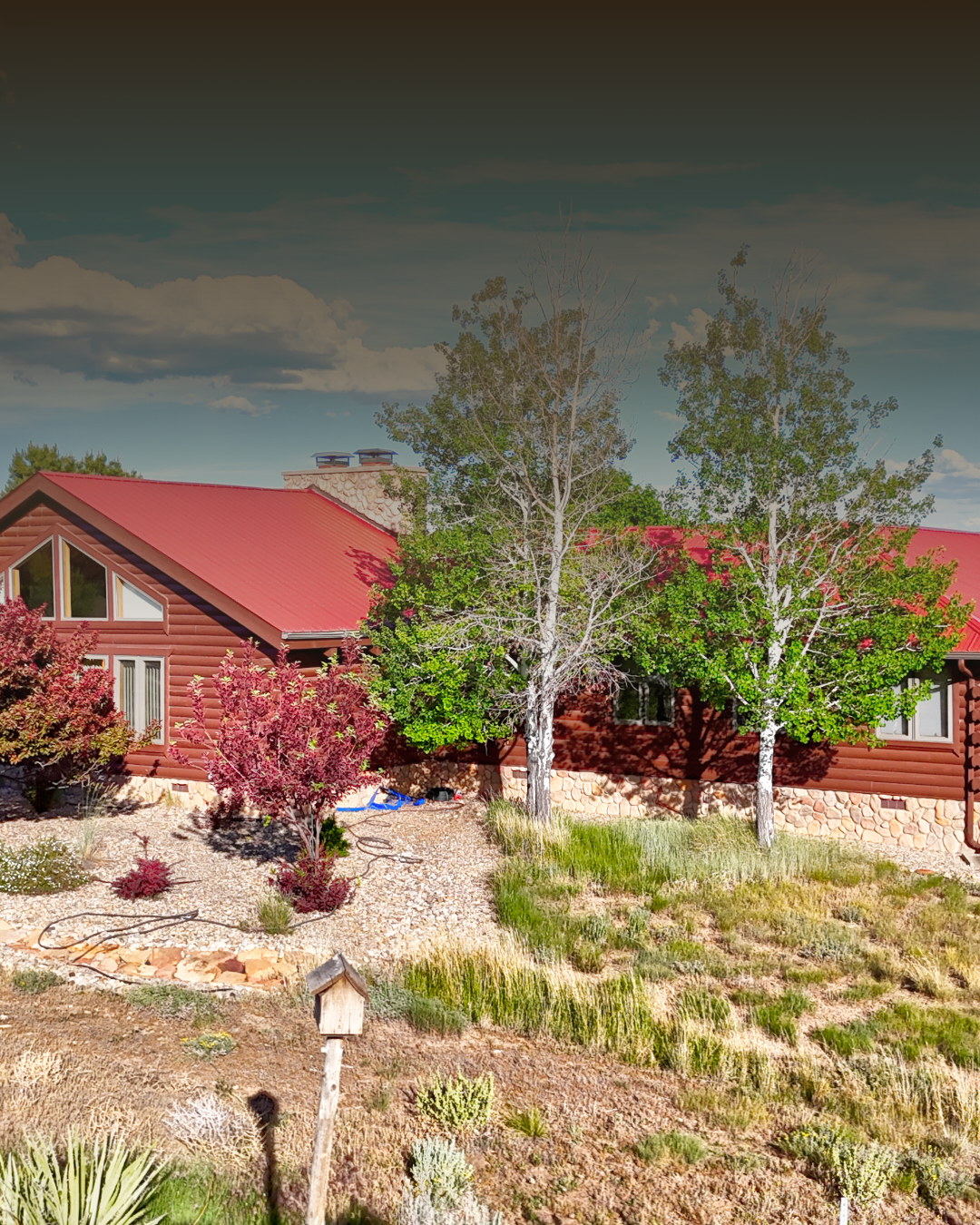
Recently-sold rural property near Cortez, CO
Being a first-time homebuyer in Southwest Colorado comes with its own set of circumstances to navigate. One of the great things about this area is that you have choices. Within a relatively small area, you can find an in-town home close to everything or a rural property with more land and space. Each comes with different things to consider, and understanding those differences can help you decide what works best for you. The strategies we’ve discussed can help you know what to look for and what questions to ask, but every buyer, property and financing situation is different. Your Realtor and lender can help you determine what applies to your specific situation and what options are actually available to you. Finding the right Realtor and lender will go a long way toward helping you navigate the market, understand your financing options and ultimately find the home that fits the life you want to live.